 (Image via
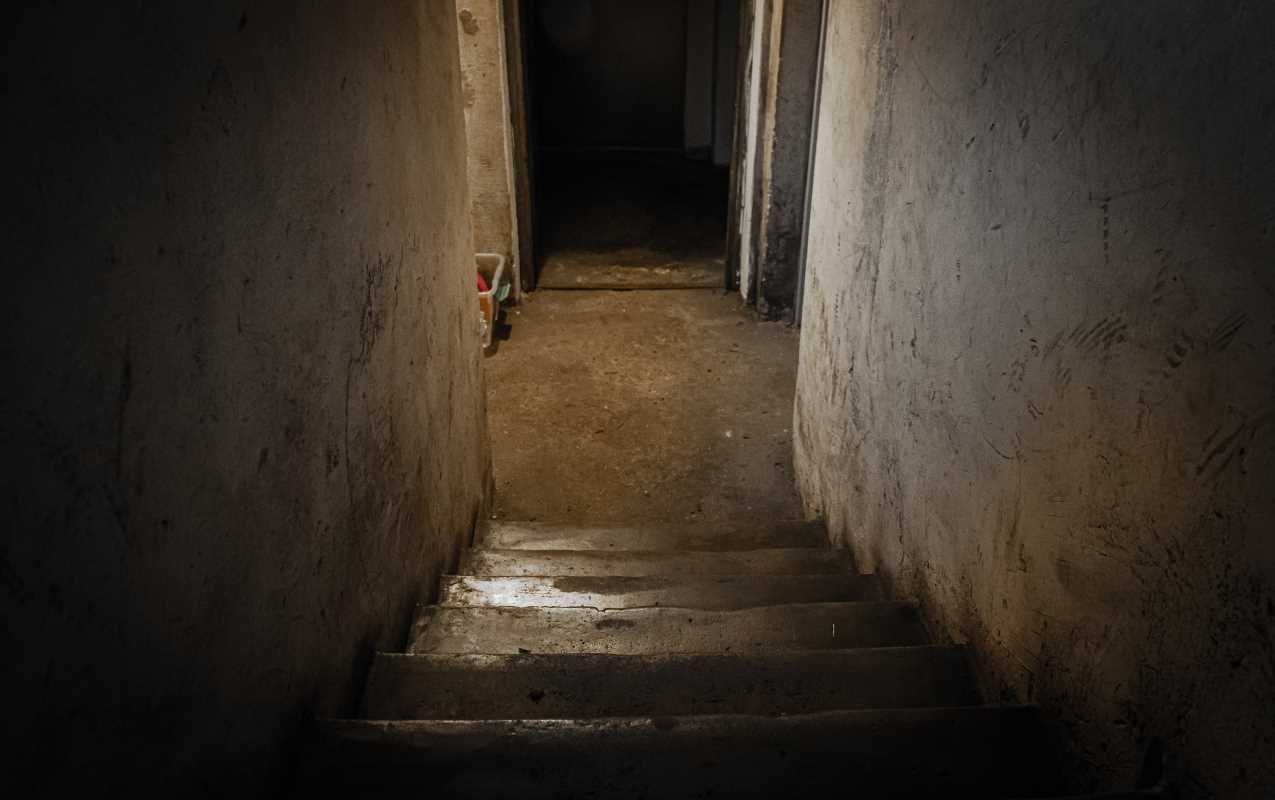
Does the thought of going into your basement send a shiver down your spine? For many, the basement is a dark, forgotten space filled with spiders, mysterious noises, and a general sense of unease. It’s the place where old furniture goes to die and holiday decorations hide for eleven months of the year. But what if that creepy, underutilized space could become one of the most inviting parts of your home? Transforming your basement from a dungeon into a dream room is more achievable than you might think. With some smart planning and a bit of work, you can reclaim that square footage and create a functional, comfortable, and livable area for your entire family to enjoy.
First Steps: Taming the Basement Beast
Before you can think about paint colors and furniture, you need to address the core issues that make most basements so uninviting. This initial phase is about creating a clean, dry, and safe foundation for your future project.
Confronting Moisture
Water is the number one enemy of a finished basement. A damp environment leads to musty smells, mold, and mildew, which can damage your home and affect your health. Start by inspecting your basement for any signs of water intrusion. Look for water stains on the walls or floor, puddles, or a perpetually damp feeling in the air.
First, check the outside of your home. Make sure your gutters are clean and that the downspouts direct water several feet away from your foundation. The ground around your house should slope away from the walls, not toward them. If you find issues here, correcting them can solve many basement moisture problems.
Inside, you might need to seal your basement walls. Special waterproof paints and sealants can be applied to concrete and masonry walls to block moisture from seeping through. For more serious water problems, installing a sump pump or an interior drainage system might be necessary. A dehumidifier is also a great tool to keep the air dry and comfortable year-round.
Let There Be Light
Another reason basements feel so spooky is the lack of good lighting. Most unfinished basements have a few bare bulbs hanging from the ceiling, which creates harsh shadows and an institutional feel. Upgrading your lighting can make a massive difference.
Start by planning a layered lighting scheme. This means using different types of lights to illuminate the space.
- Ambient Lighting: This is the main source of light for the room. Recessed lighting (can lights) is a popular choice for basements because it provides broad, even light without taking up any ceiling height.
- Task Lighting: This is focused light for specific activities. If you plan to have a desk or a workshop area, you’ll want a lamp or under-cabinet lighting.
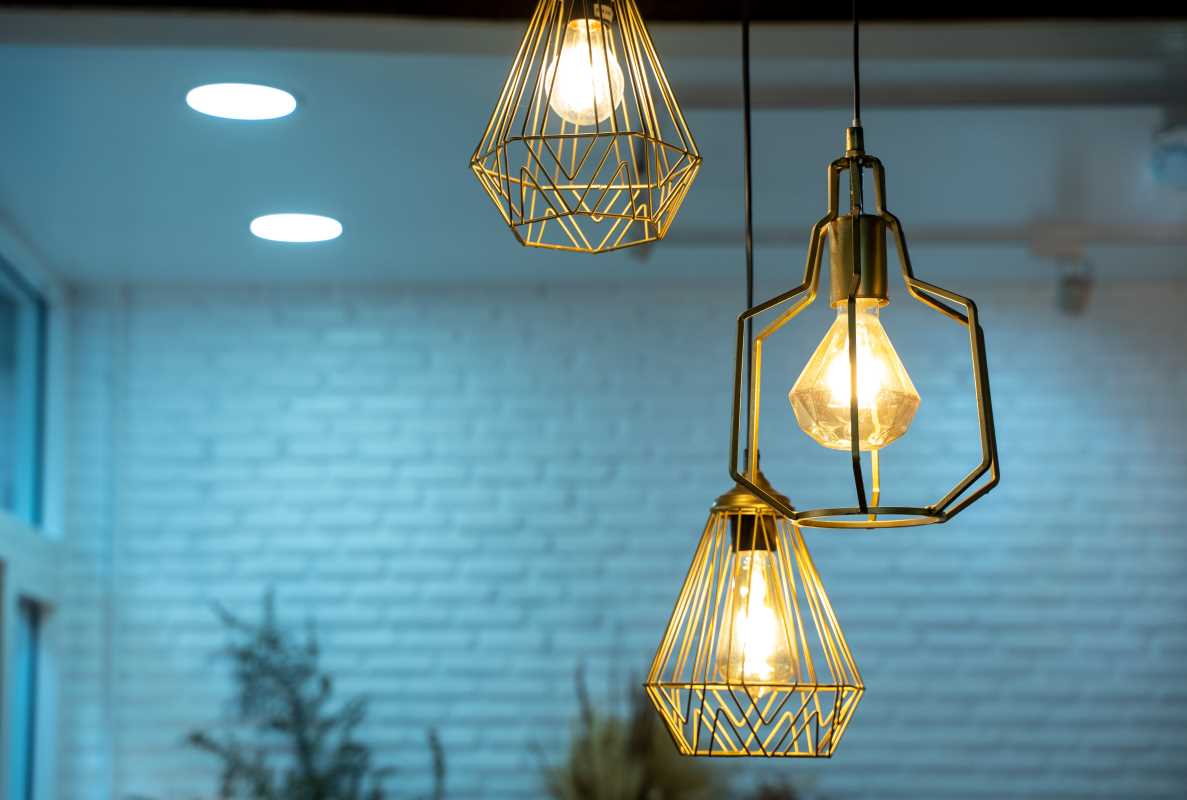
- Accent Lighting: This adds style and highlights certain features. You could use track lighting to illuminate artwork or wall sconces to create a cozy atmosphere.
Maximizing natural light is also beneficial. If your basement has small windows, keep the window wells clean and free of debris. Painting the window wells white can help reflect more sunlight into the space.
Designing Your New Space
With the practical issues handled, it's time for the fun part: deciding what your new basement will become. The possibilities are nearly endless, but your choice will depend on your family’s needs and lifestyle.
The Ultimate Family Room
Perhaps the most common basement transformation is creating a second family room or den. This provides a casual, comfortable space for everyone to relax, watch movies, or play games. Since it’s separate from the main living area upstairs, it’s the perfect spot for kids and teens to hang out with their friends without taking over the whole house. Consider a large, comfy sectional sofa, a big-screen TV, and plenty of storage for board games, video games, and movies. Durable flooring like luxury vinyl plank or carpeting is ideal for a cozy and high-traffic area.
A Dream Home Office or Hobby Room
Working from home has become more common, and a quiet, dedicated workspace can boost productivity. The basement can be an ideal location for a home office, far from the distractions of the main household. You’ll want to ensure you have good lighting, plenty of outlets for your computer and other devices, and a comfortable desk and chair.
The same space can be perfect for hobbies. Whether you’re an artist, a musician, a crafter, or a woodworker, the basement offers a dedicated area where you can make a mess without worry. Consider installing durable workbenches, ample storage for your supplies, and proper ventilation if your hobby involves fumes or dust.
Creating a Guest Suite
If you often have friends or family stay over, a basement guest suite can provide them with a private and comfortable space. This project is a bit more involved, as you’ll likely need to add a bedroom and a bathroom. Egress windows are a safety requirement for any basement bedroom, as they provide an escape route in case of a fire. A small kitchenette with a mini-fridge and microwave can make your guests feel even more at home.
Finishing Touches That Make a Difference
Once the walls are up and the main elements are in place, the finishing touches are what will truly elevate your basement from a functional area to a beautiful room.
Choosing the Right Flooring
Basement flooring needs to be durable and moisture-resistant. While traditional hardwood is not recommended due to its susceptibility to water damage, there are many excellent alternatives.
- Luxury Vinyl Plank (LVP): This flooring mimics the look of wood or stone but is completely waterproof, making it a perfect choice for basements. It's also durable and easy to clean.
- Carpet: Carpet adds warmth and comfort underfoot, which is great for a family room or bedroom. Choose synthetic fibers like nylon or polyester, and use a high-quality moisture-barrier pad underneath. Carpet tiles are another smart idea, as you can easily replace a single tile if it gets stained or damaged.
- Polished Concrete: For a modern, industrial look, you can seal and polish the existing concrete floor. It's incredibly durable and waterproof. You can add large area rugs to soften the space and define different zones.
Walls and Ceilings
Painting the walls a light color can make the space feel bigger and brighter. Shades of white, light gray, or soft beige can help reflect both natural and artificial light. If your basement has exposed pipes or ductwork in the ceiling, you have a few ways to handle it. You can install a traditional drywall ceiling for a clean, finished look, but this can reduce your ceiling height. A drop ceiling, with its grid and panels, allows easy access to pipes and wiring. For a more industrial or rustic vibe, you can simply paint the exposed ceiling, joists, and ductwork a single dark color, like black or charcoal gray. This technique makes the ceiling recede, creating an illusion of height.
Furnishings and Décor
Finally, furnish your new space with pieces that are both stylish and functional. Look for furniture that offers hidden storage, like ottomans with removable tops or coffee tables with drawers. Use area rugs to define different zones, such as a seating area or a play space. Hang mirrors on the walls to reflect light and create a sense of spaciousness. Don't forget to add personal touches like photos, artwork, and plants (choose low-light varieties) to make the basement feel like a true extension of your home. Your once-creepy basement is now a livable, welcoming space ready for you to enjoy.