 (Image via
Have you ever walked past a beautiful, plant-filled home or apartment and felt a pang of envy? You love the idea of bringing that lush, green vibrancy into your own space, but then reality hits. You remember the sad, wilted basil on your windowsill and the crunchy succulent you swore was "unkillable." The dream of becoming a plant parent quickly fades, replaced by the fear that you’re destined to be a plant serial killer. But what if there were plants so tough, so resilient, that they could withstand a little (or a lot of) neglect? What if there were plants that could practically take care of themselves?
Great news: they exist! These are the green warriors, the champions of survival that will add life and beauty to your home without demanding your constant attention. Get ready to discover a fantastic selection of plants that will stick with you, even if you forget they exist for a little while. It's time to build your confidence and finally create that indoor jungle you've been dreaming of.
The Indestructible Starting Lineup
Ready to meet the contenders? These plants are famous in the houseplant community for their resilience and easy-going nature. They look stunning but require very little from you in return.
1. Snake Plant (Sansevieria trifasciata)
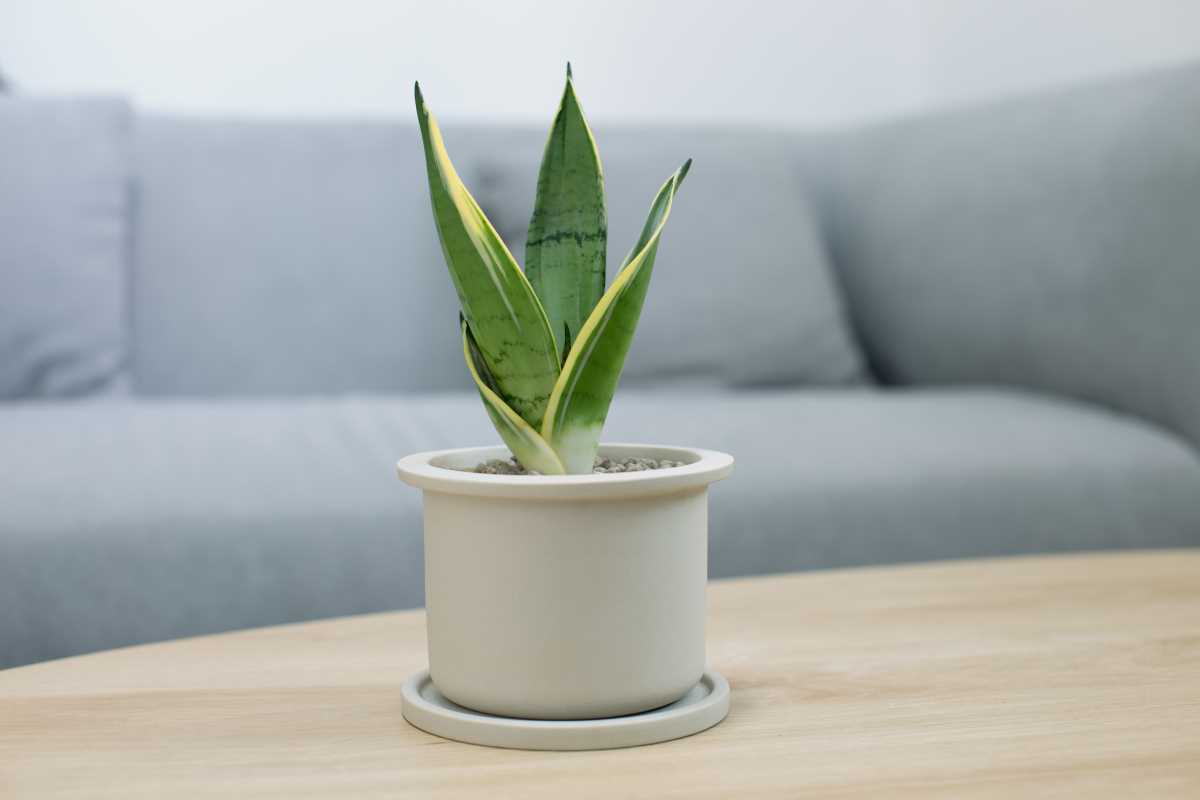
If there were a hall of fame for tough houseplants, the Snake Plant would be the first inductee. With its striking, upright leaves that often feature beautiful patterns of green and yellow, this plant is a true architectural statement. It’s also known by the less-flattering name "mother-in-law's tongue" due to the sharp, pointed shape of its leaves.
Why you'll love it: The Snake Plant is the king of "thrives on neglect." It prefers its soil to dry out completely between waterings, so you can easily go two to four weeks (or even longer in the winter) without watering it. In fact, the most common way to kill a Snake Plant is by overwatering it. It’s also not fussy about light. While it appreciates bright, indirect light, it will happily tolerate low-light conditions, making it perfect for hallways or corners that don’t get a ton of sun. As a bonus, Snake Plants are known for their air-purifying qualities, helping to filter indoor air.
2. ZZ Plant (Zamioculcas zamiifolia)
The ZZ Plant is the definition of sleek and modern. It boasts wide, glossy, dark green leaves that grow on graceful, wand-like stems. It almost looks like a high-quality artificial plant because its waxy leaves are so perfect. But this beauty is very much alive and incredibly self-sufficient.
Why you'll love it: The ZZ Plant grows from large, potato-like rhizomes that store water. This built-in water reservoir means it is extremely drought-tolerant. You can forget to water this plant for a month or more, and it will be completely fine. Like the Snake Plant, it’s far more likely to suffer from too much water than too little. The ZZ Plant is also a low-light champion. It can live in rooms with very little natural light, making it an ideal choice for offices, basements, or rooms with north-facing windows. Its ability to look fabulous with minimal effort makes it a favorite among both new and experienced plant owners.
3. Pothos (Epipremnum aureum)
Often called "devil's ivy," the Pothos is one of the most popular and rewarding houseplants you can own. It’s a fast-growing vine with beautiful heart-shaped leaves that can be solid green or variegated with yellow, white, or cream. It’s incredibly versatile—you can let it trail down from a hanging basket, have it climb up a moss pole, or simply place it on a shelf and let its vines cascade gracefully.
Why you'll love it: The Pothos is fantastic because it tells you exactly what it needs. When it's thirsty, its leaves will start to look a little droopy and sad. Give it a good drink of water, and within a few hours, it will perk right back up. This clear communication makes it a wonderful teacher for new plant parents. It can adapt to almost any light condition, from bright indirect light to very low light, although its variegation may fade in darker spots. It’s also incredibly easy to propagate. Just snip off a piece of vine, stick it in a glass of water, and in a few weeks, you’ll have a new plant ready to go.
More Rock-Solid Plant Choices
Once you've built your confidence with the top three, you might be ready to expand your collection. Here are a few more nearly-unkillable plants that are sure to make you feel like a gardening expert.
4. Cast Iron Plant (Aspidistra elatior)
The name says it all. This plant is as tough as cast iron. A favorite from the Victorian era because it could withstand the dark, gloomy interiors of the time, the Cast Iron Plant has large, deep-green leaves that grow directly from the soil. It has a classic, elegant look that fits well with any decor style.
Why you'll love it: This plant is the ultimate low-light survivor. It can handle shady corners where almost no other plant will grow. It is also very forgiving when it comes to watering. It prefers its soil to be kept lightly moist, but it can handle periods of drought without any complaint. It’s a slow grower, which means you won’t have to worry about it taking over your space or needing to be repotted often. It simply exists, looking beautiful and asking for almost nothing in return.
5. Spider Plant (Chlorophytum comosum)
The Spider Plant is a fun, retro-looking plant with arching leaves that give it a fountain-like appearance. It gets its name from the little "spiderettes," or baby plants, that dangle from the mother plant like spiders on a web. These little plantlets make it incredibly easy to share with friends.
Why you'll love it: Spider Plants are very forgiving. They prefer bright, indirect light but can adapt to lower light levels. They like their soil to dry out slightly between waterings, and they will tell you they’re unhappy by the tips of their leaves turning brown, which can be caused by minerals in tap water or inconsistent watering. Even so, they bounce back quickly. Seeing a healthy Spider Plant produce its baby "spiders" is incredibly rewarding and a sure sign that you’re doing something right.
6. Ponytail Palm (Beaucarnea recurvata)
Despite its name, the Ponytail Palm is not a true palm. It’s actually a member of the succulent family, which gives you a big clue about its care needs. This fun and quirky plant has a thick, swollen trunk that looks like an elephant’s foot, which is where it stores water. A spray of long, curly green leaves emerges from the top of the trunk, resembling a perky ponytail.
Why you'll love it: Because it stores so much water in its trunk, the Ponytail Palm needs very infrequent watering. You should let the soil dry out completely and then wait another week or two before watering again. It loves bright light and can even handle some direct sun, making it a great choice for a spot near a sunny window. Its unique appearance makes it a fantastic conversation piece, and its self-sufficient nature makes it a dream for a forgetful owner.
Your Path to Plant Parent Success
Bringing one of these tough-as-nails plants into your home is the first step toward building a lasting, positive relationship with houseplants. Remember that "low-maintenance" doesn’t mean "no-maintenance." Every few weeks, take a moment to check on your new green friend. Touch the soil. Does it feel bone-dry? Then it’s probably time for a drink. Look at the leaves. Are they dusty? Give them a gentle wipe with a damp cloth. This little bit of attention will go a long way.