 (Image via
It’s that quiet time of day. You’ve finished your big project, your inbox is empty, and your to-do list is a beautiful, blank slate. A sense of calm washes over you, quickly followed by a jolt of panic as your boss walks by. Suddenly, you feel the need to look intensely focused, typing furiously at a blank document or staring at your screen with profound concentration. We’ve all felt that pressure to appear productive every single second of the workday, even when we’re caught up. It’s a universal office experience that can be both stressful and a little bit silly. What if you could master the art of looking occupied during those quiet moments, without the frantic, last-minute scrambling?
Your Digital Disguise
Your computer is your primary stage. Mastering your digital presence is the first step toward projecting an image of constant activity. A few simple adjustments to your screen and typing habits can create a powerful illusion of deep, focused work.
The Art of the Alt-Tab
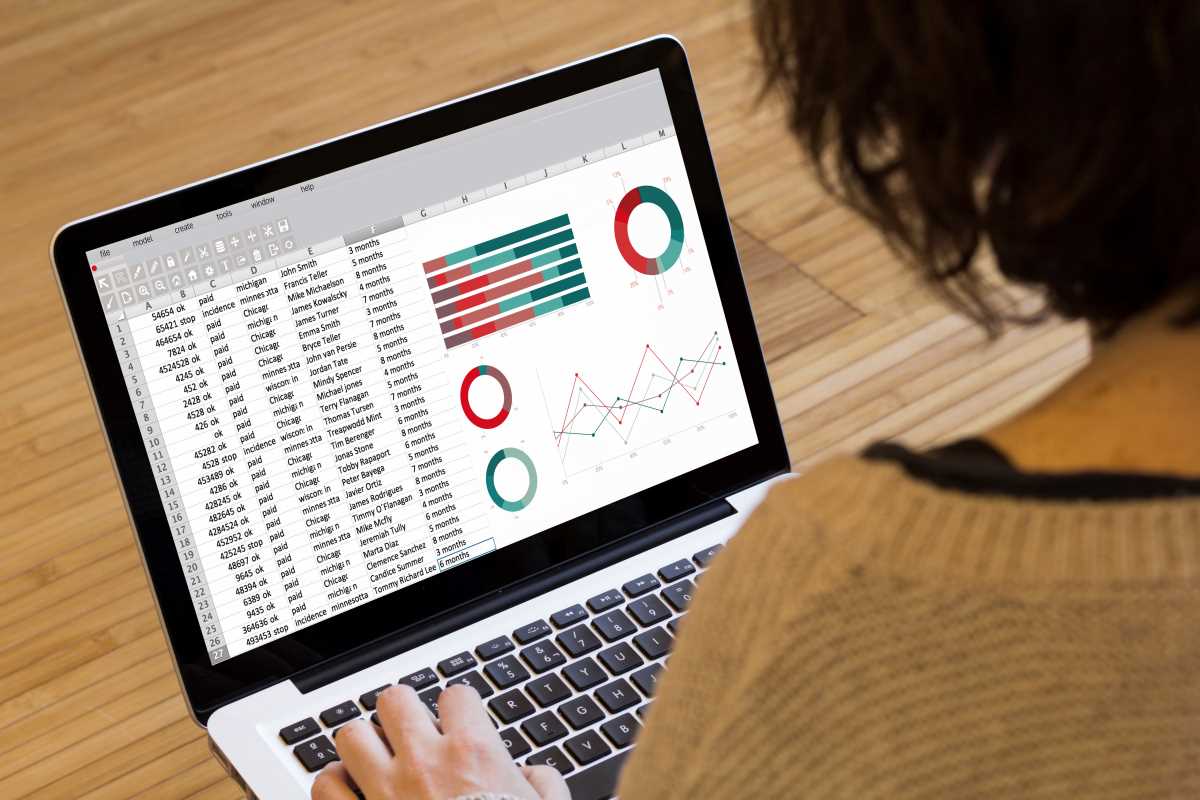
The Alt-Tab (or Command-Tab on a Mac) keyboard shortcut is your best friend. This quick-switch function allows you to jump between open windows in a fraction of a second. The key is to have a "work" window ready at all times. This could be a dense spreadsheet, a page of code, or a serious-looking business report. The moment you hear footsteps approaching, a single flick of your fingers will instantly replace your online shopping or travel blog with a screen that screams "productivity." Practice this move until it becomes pure muscle memory. You’ll be able to switch screens so fast that no one will ever suspect you were doing anything else.
Type with Purpose
The sound of a keyboard is the soundtrack of productivity. Even if you're just writing an email to a friend or making a personal to-do list, typing with a steady, rhythmic pace creates an audible cue of work being done. There’s no need to slam the keys, but a consistent tap-tap-tap makes you sound busy. You can even open a blank document and retype song lyrics or a favorite movie script. From a distance, it looks like you are composing an incredibly important document.
Mastering Physical Mannerisms
Looking busy isn't just about what’s on your screen; it’s about your body language. Projecting an air of intense focus and slight stress can convince anyone that you are deeply engaged in a complex task.
The Deep-in-Thought Stare
This is a classic move. Lean back in your chair, look at your monitor, and put on a face of intense contemplation. Furrow your brow slightly, maybe tap a pen on your chin or run a hand through your hair. This pose suggests you are wrestling with a difficult problem or analyzing complex data. Holding this pose for a minute or two before sighing and "reluctantly" returning to your furious typing completes the illusion. For an advanced touch, occasionally mutter things like, "Hmm, that can't be right," or, "There has to be a better way."
The Purposeful Walk
Never just wander around the office. Always walk with a sense of urgency and purpose. Carry a piece of paper, a notebook, or a folder with you. This simple prop suggests you are on your way to an important meeting or heading to deliver a critical document. Walking quickly and with a determined expression makes it look like you are on a mission and don't have a moment to spare for idle chit-chat.
Using Your Workspace as a Prop
Your desk is your set, and how you arrange it can significantly contribute to your busy persona. A strategically organized workspace can tell a story of a hardworking and dedicated employee.
The Controlled Chaos Method
A desk that is too clean might suggest you have nothing to do. On the other hand, a desk that is a complete disaster looks unprofessional. The goal is "controlled chaos." Keep a few stacks of paper neatly arranged, have a couple of notebooks open to pages with scribbled notes, and use sticky notes with vague but important-sounding reminders like "Follow up on Q4 projections" or "Circle back with marketing." This setup creates the impression that you are juggling multiple important projects at once.
The Power of Headphones
Wearing headphones is a universal sign for "do not disturb." Even if you aren't listening to anything, wearing a large pair of over-ear headphones signals to your coworkers that you are in a state of deep focus and cannot be interrupted. It’s a polite but firm barrier that can protect your quiet time from casual conversations and interruptions. When someone does need to get your attention, you can make a show of slowly taking them off, as if you are being pulled out of a world of intense concentration.
Advanced Techniques for the Truly Committed
Once you have mastered the basics, you can move on to some next-level techniques that will solidify your reputation as a perpetually busy employee.
Schedule "Focus Time" on Your Calendar
Block out chunks of time on your shared work calendar and label them with serious-sounding titles like "Deep Work Session," "Strategic Planning," or "Data Analysis." When your colleagues see that your calendar is booked, they will assume you are swamped with important tasks. This not only makes you look busy but also gives you a legitimate, pre-planned excuse to decline last-minute meetings or requests, protecting your valuable downtime.
Carry a Beverage with You
Always have a coffee mug or a water bottle on your desk or in your hand. This simple prop serves multiple purposes. It gives you an excuse to get up and walk purposefully to the kitchen for a refill. It also makes you look like you are fueling up for long hours of hard work. Taking a thoughtful sip while staring at your screen adds another layer to your "deep-in-thought" performance.