 (Image via
There's a special kind of joy that comes from cutting into a perfectly ripe avocado. The vibrant green flesh promises delicious toast, amazing guacamole, or a creamy addition to your favorite salad. But there's also a unique sadness that follows when, what feels like moments later, that beautiful green starts to fade into a sad, unappetizing brown. This rapid browning can feel like a race against time, forcing you to use the entire avocado at once or risk wasting it. There are several simple, brilliant kitchen hacks that can preserve the color and taste of your avocado, giving you the freedom to enjoy one half today and save the other for tomorrow. Forget the avocado anxiety. Let's dive into the science behind the browning and discover the best methods to keep your avocados looking and tasting their best.
The Science of Browning: Why Avocados Turn
Before we get to the solutions, it helps to understand why this browning happens in the first place. When you cut an avocado, you expose its flesh to oxygen in the air. This triggers a chemical reaction. An enzyme in the avocado called polyphenol oxidase begins to react with compounds called phenols. This reaction, known as oxidation, is what causes the green flesh to develop brown pigments.
It's the same process that turns a cut apple or banana brown. This browning isn't necessarily a sign that the avocado has gone bad—it’s often still perfectly fine to eat—but it definitely doesn't look as appealing. The key to keeping your avocado green is to create a barrier that stops oxygen from reaching the flesh.
The Best Methods for Keeping Avocados Green
Here are some of the most effective and popular methods for preserving your cut avocados. Feel free to experiment to find which one works best for you and your kitchen routine!
The Classic: Lemon or Lime Juice
This is one of the most well-known tricks for a reason: it works wonders. The acid in citrus juice, specifically ascorbic acid (Vitamin C), is a powerful antioxidant. It works by reacting with the oxygen before the avocado's enzymes can, effectively slowing down the browning process.
How to do it:
Simply squeeze or brush a thin layer of fresh lemon or lime juice over the exposed green flesh of your avocado. Be sure to cover the entire surface. Then, wrap the avocado tightly in plastic wrap or place it in an airtight container and store it in the refrigerator. The citrus adds a subtle, fresh flavor that pairs wonderfully with the creamy avocado.
The Water Bath Method
This technique might sound a little strange, but it’s incredibly effective because it creates a perfect barrier against oxygen. It's an excellent method for avocado halves that you plan to use within a day.
How to do it:
Take your avocado half and place it flesh-side down in an airtight container. Pour about half an inch of cool water into the bottom of the container. The water should be just enough to cover the surface of the green flesh. Seal the container tightly and place it in the refrigerator. When you're ready to use it, just pour out the water and pat the avocado dry. It will be surprisingly green and fresh.
The Onion Trick
Onions release sulfur compounds into the air, which are known to slow the oxidation process. This method is fantastic if you're making guacamole or a dish where a slight onion aroma won't be out of place.
How to do it:
Roughly chop a piece of red or white onion and place it in the bottom of an airtight container. Place your avocado half on top of the onion pieces with the flesh-side up (it doesn't need to touch the onion). Seal the container and refrigerate. The sulfur gases from the onion will fill the container and help preserve the avocado's color.
The Oil Barrier
Creating a physical barrier with oil is another simple and effective way to prevent oxygen from reaching the avocado's surface. A neutral-tasting oil works best so it doesn’t alter the flavor.
How to do it:
Brush a thin layer of olive oil or avocado oil over the exposed flesh of the avocado half. The oil creates a seal that blocks air. After coating it, wrap the avocado tightly in plastic wrap or store it in an airtight container in the fridge. This method works well and doesn't add any noticeable flavor if you use a light oil.
Keep the Pit In!
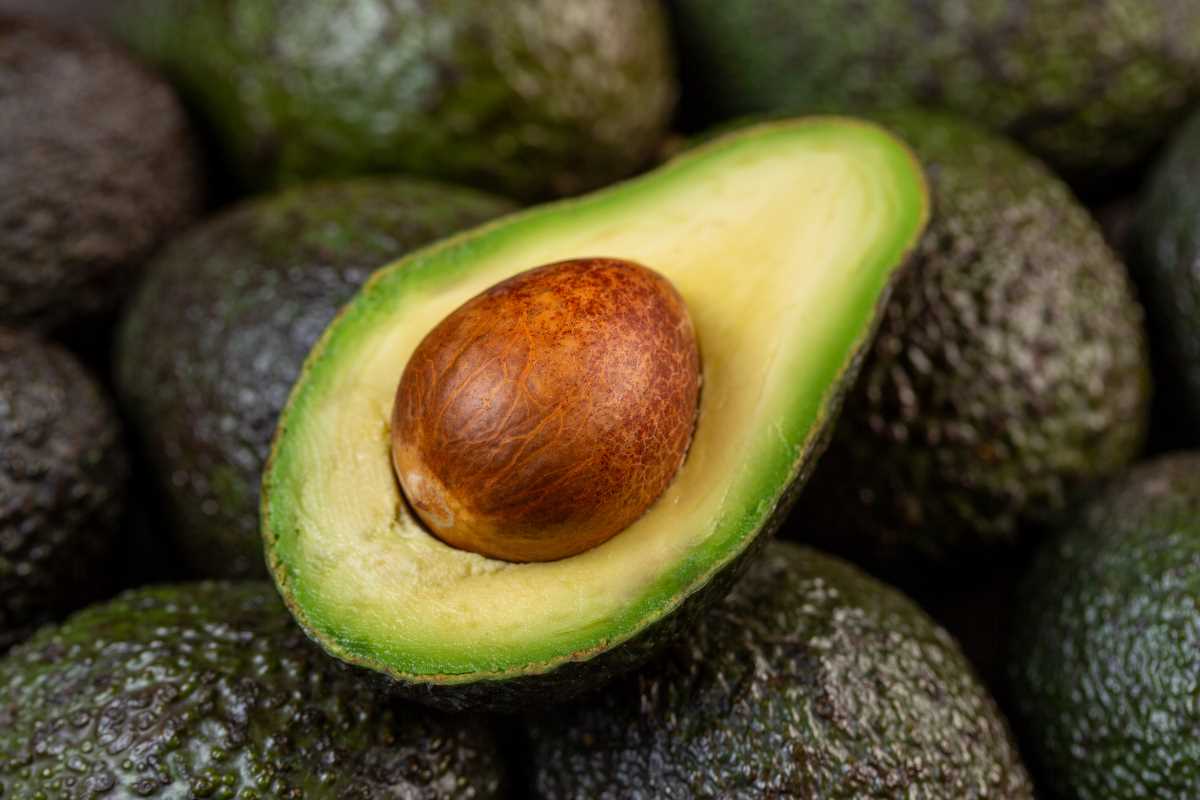
You’ve probably heard this advice before: leaving the pit in the avocado half will help keep it from browning. There is some truth to this, but it’s not because the pit contains special enzymes. It works simply because the pit covers a portion of the flesh, physically blocking it from oxygen. So, the area under the pit stays green, but the rest of the exposed flesh will still brown.
For this reason, it’s always a good idea to leave the pit in the half you're saving. Combine this with one of the other methods, like adding lemon juice or oil to the exposed parts, for even better results.
Storing Whole Avocados for Lasting Freshness
Preventing browning starts before you even cut the avocado. Proper storage can extend its life significantly.
- On the Counter: If you have hard, unripe avocados, leave them on your kitchen counter at room temperature. They will naturally ripen over a few days. You can speed this up by placing them in a paper bag with a banana or apple, which releases ethylene gas that promotes ripening.
- In the Refrigerator: Once an avocado is perfectly ripe (it yields to gentle pressure), you can move it into the refrigerator. The cold temperature will dramatically slow down the ripening process, giving you several more days to enjoy it at its peak.